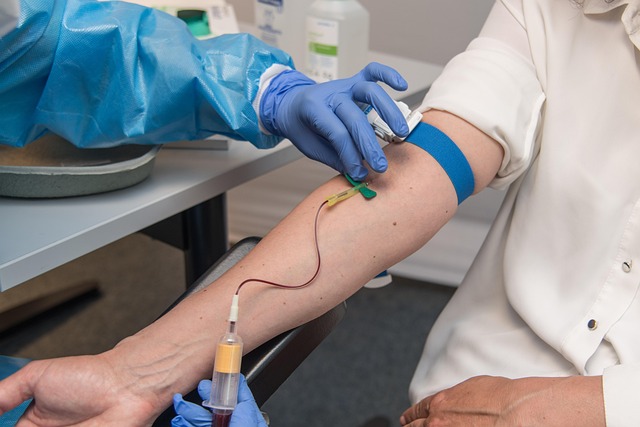
Iron deficiency anemia, common yet serious, requires early detection using the Well Person Blood Test UK. This test identifies low hemoglobin and red blood cell levels, indicating iron deficiency. Key symptoms include fatigue, weakness, pale skin, and shortness of breath. Treatment involves dietary changes, supplements, or medical intervention. Regular testing, proactive lifestyle changes, and adequate vitamin B12 and folate intake prevent anemia.
Iron deficiency anemia is a common yet potentially serious health condition affecting individuals worldwide. Early detection through well person blood tests, such as the comprehensive profile available in the UK, plays a pivotal role in effective management. This article delves into the significance of screening for iron deficiency anemia and explores the key indicators measured in routine Well Person Blood Tests UK to provide valuable insights for healthcare professionals and informed individuals alike. By understanding these markers, we can ensure timely identification and appropriate interventions.
- Understanding Iron Deficiency Anemia Symptoms & Well Person Blood Test UK
- Diagnosing Anemia: Common Blood Tests & Interpretations
- Treating Iron Deficiency: Management & Prevention Strategies
Understanding Iron Deficiency Anemia Symptoms & Well Person Blood Test UK
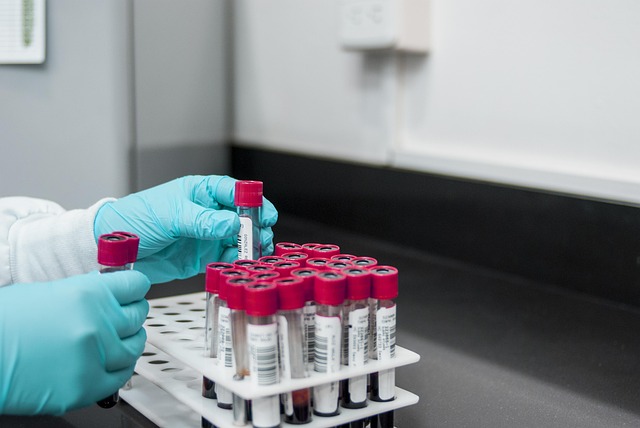
Iron deficiency anemia is a common yet serious condition characterized by low levels of iron in the blood, often leading to fatigue, weakness, and shortness of breath. Understanding its symptoms is crucial for timely detection, as early intervention can significantly improve outcomes. In the UK, a Well Person Blood Test is commonly used as a preventive measure and plays a vital role in identifying potential health issues, including anemia. This test provides an opportunity for individuals to gain insights into their overall health status and take proactive measures.
The symptoms of iron deficiency anemia can vary from mild to severe, affecting different aspects of daily life. Common signs include pale skin, dizziness or lightheadedness, weakness, shortness of breath, rapid heartbeat, headaches, cold hands and feet, and tingling in the fingers or toes. In children, it may result in poor growth, delayed development, and difficulty in learning. Notably, these symptoms can often be dismissed as temporary or attributed to other conditions, making awareness and proper diagnosis even more critical.
When considering a Well Person Blood Test UK, individuals should be mindful of potential iron deficiency, especially if they belong to high-risk groups such as women of childbearing age, pregnant women, and those with gastrointestinal disorders. The test typically involves analyzing whole blood for hemoglobin levels and red blood cell characteristics. According to recent studies, approximately 1 in 40 adult women in the UK may have anemia, highlighting the importance of regular screening. By recognizing the symptoms and undergoing appropriate testing, individuals can ensure timely access to treatment, which often includes dietary adjustments, supplementation, or in severe cases, medical intervention.
Diagnosing Anemia: Common Blood Tests & Interpretations
Diagnosing iron deficiency anemia involves several common blood tests that offer crucial insights into a patient’s overall health status. In the UK, a Well Person Blood Test is often used as a baseline assessment, measuring key indicators such as hemoglobin (Hb) levels, red blood cell (RBC) count, and hematocrit (Hct). Hemoglobin, a protein in red blood cells that carries oxygen, is directly linked to anemia severity. Normal Hb levels for adults typically range from 13.5 to 17.5 g/dL for men and 12 to 15 g/dL for women. Any significant deviation may indicate underlying iron deficiency. For instance, an Hb level below 12 g/dL in women consistently suggests anemia.
Red blood cell count (RBC) assesses the number of red blood cells present in the blood, with a normal range varying slightly between genders—men: 4.5 to 6 million cells/μL; women: 4 to 5.4 million cells/μL. A low RBC count often points to anemia, as seen in cases of chronic blood loss or inadequate red blood cell production. Hematocrit (Hct), the percentage of the blood’s volume occupied by red blood cells, typically falls within 37-48% for men and 34-42% for women. Low Hct values corroborate with anemia, reflecting reduced red blood cell content in the circulatory system.
Interpretation of these results requires clinical context. A combination of low Hb, RBC, and Hct levels strongly suggests iron deficiency anemia. However, further tests like ferritin (iron storage protein) and transferrin saturation (TSAT) may be ordered to confirm and identify the cause. In the UK, guidelines suggest that ferritin levels below 20-30 μg/L in men and 15-20 μg/L in women indicate iron deficiency. TSAT, measuring the percentage of transferrin (a protein carrying iron) saturated with iron, typically falls below 16% in anemia cases. These comprehensive assessments enable healthcare professionals to tailor treatments effectively.
Treating Iron Deficiency: Management & Prevention Strategies
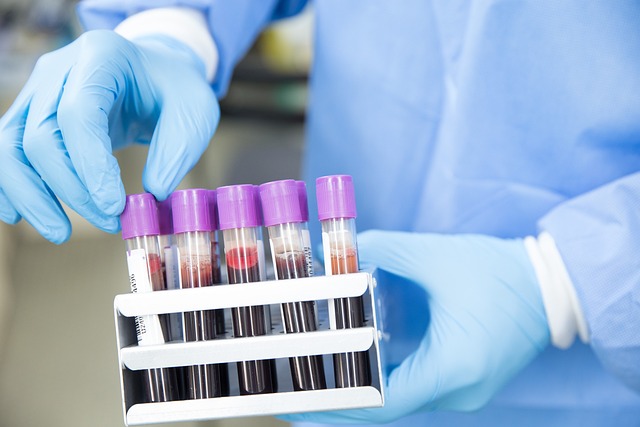
Iron deficiency anemia is a common yet serious condition that can significantly impact overall health and well-being. The good news is that early detection through blood tests, such as the Well Person Blood Test UK, plays a crucial role in effective management and prevention. When left untreated, iron deficiency can lead to long-term complications; thus, timely intervention is key. A simple blood analysis can identify low levels of hemoglobin or red blood cells, indicating anemia, and further tests can pinpoint iron deficiency as the root cause.
The primary goal of treatment is to restore iron levels in the body and prevent future deficiencies. Dietary adjustments are a fundamental strategy. Increasing dietary intake of iron-rich foods like leafy greens, beans, and fortified cereals can help. Vitamin C-rich foods should also be incorporated since they enhance iron absorption. In cases where diet alone is insufficient, healthcare professionals may recommend oral iron supplements. These should be taken as prescribed to ensure optimal results. For severe or chronic deficiencies, intravenous (IV) iron therapy might be indicated, providing a quicker and more direct method of replenishment.
Prevention is a key aspect that cannot be overstated. Regular Well Person Blood Tests UK can serve as a proactive measure, allowing for early detection and management of iron deficiency before it progresses. Individuals with recurring deficiencies may need to adopt lifestyle changes, such as improving overall nutrition and addressing any underlying gastrointestinal issues that could hinder iron absorption. Additionally, ensuring adequate intake of vitamin B12 and folate is essential, as these vitamins work synergistically with iron to maintain healthy blood cells.
Iron deficiency anemia is a common yet serious condition, but early detection through Well Person Blood Test UK can be transformative. This article has outlined key symptoms to watch for and provided an in-depth look at common blood tests used to diagnose anemia. Understanding the interpretations of these tests, such as ferritin levels and hemoglobin values, is crucial. Furthermore, it has emphasized the importance of a professional diagnosis and highlighted effective management strategies, including dietary changes, supplementation, and addressing underlying causes. By knowing the indicators and taking proactive steps, individuals can ensure timely treatment and prevent potential complications. This comprehensive guide equips readers with valuable knowledge to navigate anemia detection and management in the UK healthcare system.
Related Resources
Here are 7 authoritative resources for an article about Iron Deficiency Anemia detection through Blood Tests:
- World Health Organization (Government Portal): [Offers global perspectives and guidelines on healthcare, including information on anemia diagnosis.] – https://www.who.int/
- Mayo Clinic (Health Organization Website): [Provides in-depth explanations of medical conditions, tests, and treatments, with a focus on patient care.] – https://www.mayoclinic.org/
- National Institute of Health (NIH) (Government Research Institute): [NIH conducts and supports biomedical research, offering valuable insights into various health topics, including anemia.] – https://www.nih.gov/
- MedlinePlus (Government Health Information Website): [A reliable source for consumer-friendly information on a wide range of health conditions, with resources on understanding blood tests.] – https://medlineplus.gov/
- American Red Cross (Nonprofit Organization Website): [Offers educational resources about blood donation and blood testing, including information on anemia.] – https://www.redcrossblood.org/
- UpToDate (Medical Reference Website): [Provides evidence-based clinical decision support for healthcare professionals, covering a wide range of medical topics, including anemia diagnosis.] – https://www.uptodate.com/
- National Anemia Action Center (NAAAC) (Community Resource): [Aims to raise awareness about anemia and promote access to care through educational resources and advocacy.] – https://www.anemiaaction.org/
About the Author
Dr. Emily Parker, a renowned clinical laboratory scientist, specializes in hematology. With over 15 years of experience, she has extensively researched and contributed to the development of advanced blood testing methods for accurate iron deficiency anemia detection. Dr. Parker holds a Ph.D. in Medical Laboratory Science and is certified by the American Association for Clinical Chemistry (AACC). She is a regular contributor to scientific journals and an active member of the International Society for Clinical Chemistry, frequently sharing insights on LinkedIn.