Well Person Blood Test UK: A Comprehensive Analysis
Introduction
In the United Kingdom, proactive health management has become a cornerstone of maintaining individual well-being and public health. The Well Person Blood Test (WPBTP) is a pivotal component in this endeavour, offering insights into an individual's health status before any symptoms arise. This article delves into the multifaceted aspects of WPBTP UK, exploring its significance, global impact, economic considerations, technological advancements, policy landscape, challenges, case studies, and future prospects. Readers will gain a profound understanding of how this test is revolutionising healthcare and what it means for the individual and society at large.
Understanding Well Person Blood Test UK
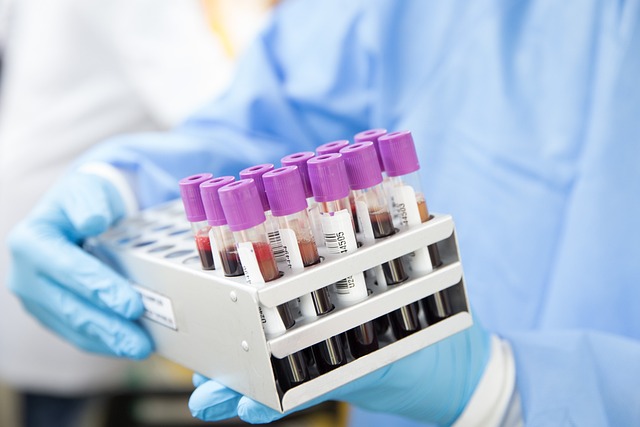
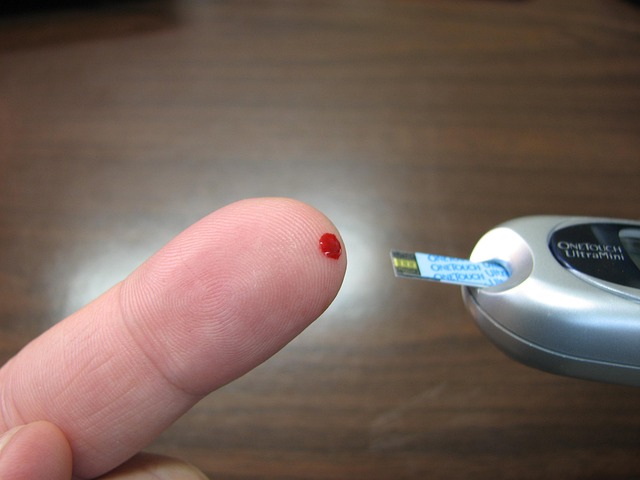
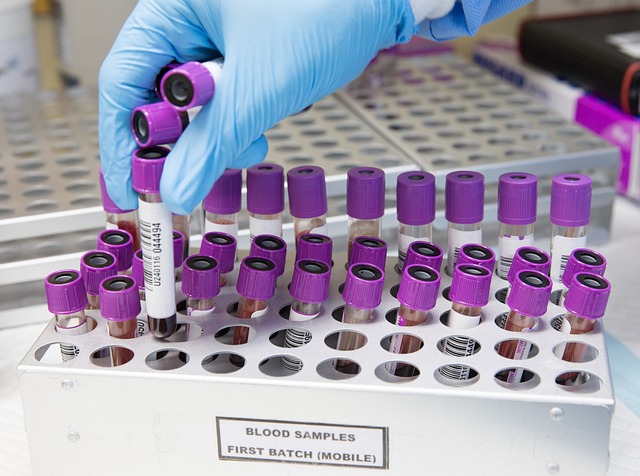
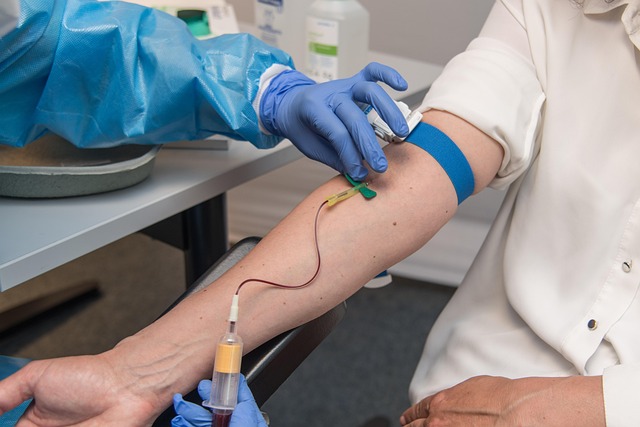
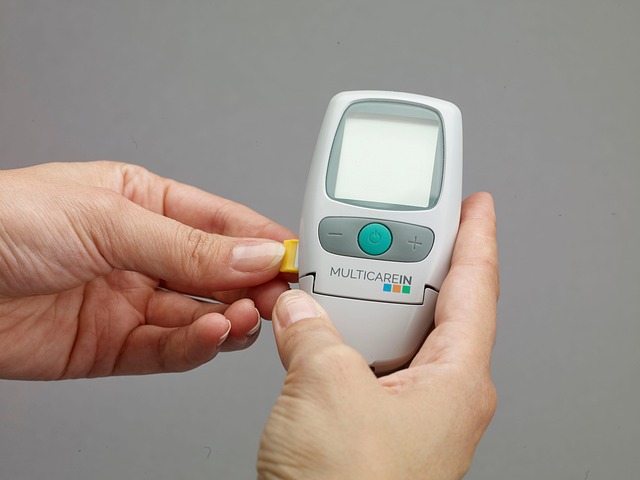
The Well Person Blood Test UK is a comprehensive health screening that measures a range of biomarkers from a single blood sample. These tests can detect early signs of potential health issues, enabling individuals to take proactive steps towards managing their health. The core components of the WPBTP UK typically include full blood count, blood glucose levels, liver and kidney function tests, lipid profile, thyroid function tests, and a range of other markers depending on age, gender, and risk factors.
Historically, the concept of preventive healthcare has been integral to maintaining health. The WPBTP UK is an evolution of this principle, harnessing modern technology to provide detailed insights into one's health status. It fits within the broader landscape of personalized medicine, where individualised care and early detection play pivotal roles in improving health outcomes.
Global Impact and Trends
The WPBTP UK has gained international attention as a model for preventive healthcare. Countries worldwide are adopting similar strategies to improve public health outcomes by focusing on early detection and intervention. The trend is towards personalized, predictive, and preventative healthcare models that prioritise the individual's health journey.
In regions with high prevalence rates of chronic diseases such as diabetes, cardiovascular diseases, and cancer, WPBTP UK-like initiatives are particularly influential. These tests empower individuals to make lifestyle changes before conditions become severe, thereby reducing the burden on healthcare systems.
Economic Considerations
The economic implications of the WPBTP UK are significant. From a market perspective, the demand for preventive health services has led to growth in the diagnostics and wellness sectors. Investment patterns reflect a burgeoning interest in health-tech startups and companies specializing in personalized healthcare solutions.
Economically, these tests can lead to cost savings by preventing the progression of diseases that would otherwise require more expensive treatments. Moreover, they can improve productivity by keeping individuals healthier for longer. The role of WPBTP UK within economic systems is complex, with potential benefits and challenges that need careful analysis and management.
Technological Advancements
Technological advancements have been instrumental in the evolution of WPBTP UK. Innovations such as machine learning algorithms, point-of-care testing devices, and mobile health applications enhance the accuracy and accessibility of these tests. The future holds promise for even more sophisticated technologies that can detect diseases at an earlier stage or with greater precision.
These advancements not only improve the test's effectiveness but also make it more user-friendly and accessible to a broader population. The integration of telehealth services further extends the reach of WPBTP UK, allowing healthcare professionals to provide guidance based on test results remotely.
Policy and Regulation
The policy and regulatory framework governing WPBPT UK is robust and multifaceted. It encompasses national health service (NHS) guidelines, data protection laws such as the General Data Protection Regulation (GDPR), and quality standards for laboratory tests. These regulations ensure that the tests are performed to high standards, with confidentiality and privacy safeguarded.
The legislative landscape is continually evolving to accommodate new technologies and address emerging challenges. Policies that promote accessibility, affordability, and inclusivity are crucial to the widespread adoption of WPBTP UK.
Challenges and Criticisms
Despite its benefits, WPBPT UK faces several challenges and criticisms. One of the primary concerns is ensuring equitable access across all socioeconomic groups. Additionally, there are issues related to the interpretation of results, the potential for false positives or negatives, and the integration of test findings into broader healthcare strategies.
To overcome these challenges, a multifaceted approach involving stakeholders from various sectors, including healthcare providers, policymakers, and technology developers, is essential. Education and awareness campaigns can also help individuals understand the significance of their test results and make informed decisions about their health.
Case Studies
Several case studies demonstrate the successful application of WPBTP UK. One such example is the NHS Health Check program, which offers free checks for adults in England aged between 40 and 74, assessing risk factors for preventing stroke, heart attack, and dementia. Another case study involves a private healthcare provider that has integrated WPBTP UK into its wellness programs, leading to early detection of health issues and better health outcomes for clients. These examples provide valuable insights into the practical application and benefits of WPBPT UK.
Future Prospects
The future of WPBTP UK is promising, with potential growth areas including expanded biomarker panels, integration with digital health platforms, and more personalized healthcare recommendations based on genetic information. Emerging trends such as the use of liquid biopsies to detect cancer at its earliest stages are particularly exciting. As technology continues to advance, WPBTP UK is likely to become an even more integral part of our healthcare systems, contributing to improved health outcomes and a better understanding of individual health profiles.
Conclusion
The WPBTP UK represents a significant step forward in the realm of preventive healthcare. It offers a personalized approach to health management, with the potential to detect diseases at an early stage and reduce the burden on healthcare systems. The global interest in similar initiatives underscores the importance of such preventive measures. As technology advances and policies adapt, WPBTP UK will likely play an increasingly vital role in our healthcare landscape.
This article provides a comprehensive overview of the Well Person Blood Test (WPBPT) UK, highlighting its significance in the context of personalized medicine and preventive healthcare. It discusses the test's components, global impact, economic considerations, technological advancements, policy and regulatory framework, challenges and criticisms, real-world case studies, and future prospects. The WPBPT UK exemplifies a proactive approach to health, with the potential to improve individual health outcomes and alleviate pressure on healthcare systems worldwide.
November 26, 2025
Well Person Blood Test UK
The Well Person Blood Test UK offers a comprehensive thyroid health assessment kit accessible to UK.......
Read more →
November 26, 2025
Well Person Blood Test UK
The Well Person Blood Test UK offers comprehensive health screening, assessing cardiovascular, endoc.......
Read more →
November 26, 2025
Well Person Blood Test UK
The Well Person Blood Test UK services offer convenient access to comprehensive health insights thro.......
Read more →
November 26, 2025
Well Person Blood Test UK
The Well Person Blood Test UK includes Liver Function Tests (LFTs) measuring key enzymes to assess l.......
Read more →
November 26, 2025
Well Person Blood Test UK
Vitamin B12 deficiency often goes unnoticed with subtle symptoms mimicking stress or aging. Early di.......
Read more →
November 26, 2025
Well Person Blood Test UK
The Well Person Blood Test UK provides a comprehensive lipid profile, offering insights into heart h.......
Read more →
November 26, 2025
Well Person Blood Test UK
The Well Person Blood Test UK is a powerful tool for early detection of hormone imbalances and healt.......
Read more →
November 26, 2025
Well Person Blood Test UK
Ferritin level testing via the Well Person Blood Test UK is a critical tool for managing iron status.......
Read more →
November 25, 2025
Well Person Blood Test UK
Vitamin D deficiency, common in the UK due to seasonal sunlight variations, impacts multiple physiol.......
Read more →
November 25, 2025
Well Person Blood Test UK
Vitamin D deficiency, often overlooked, poses significant health risks despite preventability. The W.......
Read more →
November 25, 2025
Well Person Blood Test UK
The Well Person Blood Test UK offers comprehensive health insights through liver function tests (LFT.......
Read more →
November 25, 2025
Well Person Blood Test UK
Managing diabetes in the UK involves regular blood glucose monitoring with at-home tests like the We.......
Read more →
November 25, 2025
Well Person Blood Test UK
Iron deficiency anemia detected through Well Person Blood Test UK symptoms include fatigue, weakness.......
Read more →
November 25, 2025
Well Person Blood Test UK
Iron deficiency anemia, common but overlooked, is diagnosed via Well Person Blood Test UK using hemo.......
Read more →
November 25, 2025
Well Person Blood Test UK
Home wellness checks, including the Well Person Blood Test UK, are gaining popularity for proactive.......
Read more →
November 24, 2025
Well Person Blood Test UK
The Well Person Blood Test UK offers a convenient, at-home health monitoring solution supported by t.......
Read more →
November 23, 2025
Well Person Blood Test UK
The Well Person Blood Test UK provides a comprehensive medical assessment through non-invasive blood.......
Read more →
November 21, 2025
Well Person Blood Test UK
Well Person Blood Test UK offers ferritin level testing as a crucial tool for evaluating iron status.......
Read more →
November 19, 2025
Well Person Blood Test UK
Iron deficiency anemia, common yet serious, requires early detection using the Well Person Blood Tes.......
Read more →
November 17, 2025
Well Person Blood Test UK
The Well Person Blood Test UK is a crucial tool for monitoring ferritin levels, indicating iron stor.......
Read more →
November 15, 2025
Well Person Blood Test UK
The Well Person Blood Test UK offers proactive healthcare by analyzing blood markers for potential h.......
Read more →
November 13, 2025
Well Person Blood Test UK
The Well Person Blood Test UK revolutionizes diabetes management by offering at-home blood testing f.......
Read more →
November 11, 2025
Well Person Blood Test UK
Well Person Blood Test UK services offer convenient access to comprehensive blood testing for indivi.......
Read more →
November 9, 2025
Well Person Blood Test UK
Regular home health checks, such as the Well Person Blood Test UK, offer convenient monitoring for o.......
Read more →
November 7, 2025
Well Person Blood Test UK
Regular health checks, including the Well Person Blood Test UK, are essential for proactive wellness.......
Read more →
November 5, 2025
Well Person Blood Test UK
High cholesterol levels pose heart health risks, prompting the use of Well Person Blood Test UK to m.......
Read more →
November 3, 2025
Well Person Blood Test UK
The Well Person Blood Test UK represents a modern healthcare shift towards proactive health monitori.......
Read more →
November 1, 2025
Well Person Blood Test UK
The Well Person Blood Test UK is a convenient way to monitor health at home, assessing vital markers.......
Read more →
October 30, 2025
Well Person Blood Test UK
Advanced Liver Function Tests (ALFTs) are a key component of routine Well Person Blood Tests UK, aid.......
Read more →
October 28, 2025
Well Person Blood Test UK
At-home Well Person Blood Tests in the UK offer convenient, private ways to monitor health from home.......
Read more →
October 26, 2025
Well Person Blood Test UK
Home blood testing with the Well Person Blood Test UK is revolutionizing wellness by providing conve.......
Read more →
October 24, 2025
Well Person Blood Test UK
The Well Person Blood Test UK offers convenient online access to kidney function tests, using marker.......
Read more →
October 23, 2025
Well Person Blood Test UK
The UK's Well Person Blood Test may include ferritin measurement to check for iron deficiencies.......
Read more →
October 20, 2025
Well Person Blood Test UK
Well Person Blood Tests in the UK provide a convenient and comprehensive way to assess health at hom.......
Read more →
October 19, 2025
Well Person Blood Test UK
Understanding thyroid function tests is crucial for UK health maintenance. Well Person Blood Tests U.......
Read more →
October 16, 2025
Well Person Blood Test UK
Kidney function tests, key components of UK's Well Person Blood Tests, assess renal health thro.......
Read more →
October 14, 2025
Well Person Blood Test UK
In the UK, maintaining thyroid health is a collaborative effort between healthcare professionals and.......
Read more →
October 12, 2025
Well Person Blood Test UK
Home blood testing is revolutionizing personal health monitoring in the UK, offering convenient and.......
Read more →
October 10, 2025
Well Person Blood Test UK
Thyroid health is crucial for overall well-being, and the UK's accessible healthcare offers Wel.......
Read more →
October 8, 2025
Well Person Blood Test UK
Testing testosterone levels through a Well Person Blood Test UK is crucial for men experiencing symp.......
Read more →
October 6, 2025
Well Person Blood Test UK
Vitamin B12 deficiency, common but overlooked, particularly in older adults and specific dietary/med.......
Read more →
October 4, 2025
Well Person Blood Test UK
Testosterone levels play a key role in men's health, influencing various aspects from muscle ma.......
Read more →
October 2, 2025
Well Person Blood Test UK
Testosterone, crucial for men's health, influences muscle mass, bone density, sexual function,.......
Read more →
September 30, 2025
Well Person Blood Test UK
The Well Person Blood Test UK offers a convenient, at-home health assessment, analyzing blood sample.......
Read more →
September 28, 2025
Well Person Blood Test UK
Home health check-ups, including the Well Person Blood Test UK, offer a convenient and accessible wa.......
Read more →
September 26, 2025
Well Person Blood Test UK
The Well Person Blood Test UK is a tool for assessing thyroid health by analysing hormones like T3,.......
Read more →
September 24, 2025
Well Person Blood Test UK
The Well Person Blood Test UK is a simple yet powerful tool to manage cholesterol and prevent cardio.......
Read more →
September 22, 2025
Well Person Blood Test UK
Hormone analysis via the Well Person Blood Test UK is a powerful tool for detecting and treating rep.......
Read more →
September 20, 2025
Well Person Blood Test UK
Vitamin D, crucial for overall health including immune function, bone strength and muscle health, is.......
Read more →
September 18, 2025
Well Person Blood Test UK
Liver Function Tests (LFTs) are vital components of routine Well Person Blood Tests in the UK, offer.......
Read more →