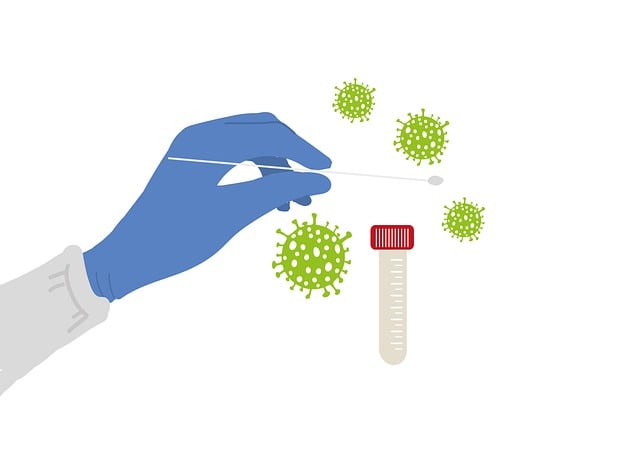
Regular home health checks, such as the Well Person Blood Test UK, offer convenient monitoring for overall well-being and early risk detection. These tests measure vital signs and blood markers like cholesterol, glucose, kidney function, liver enzymes, and cancer indicators. Early identification through these assessments significantly reduces cardiovascular disease risk. Key areas include age-appropriate screenings, professional result interpretation, and follow-up discussions with healthcare providers to guide lifestyle adjustments or medical interventions for better health outcomes.
In today’s fast-paced world, prioritizing personal health has never been more crucial. Regular health checks are essential for early detection of potential issues, allowing for timely intervention and improved outcomes. However, navigating the complexities of healthcare can be daunting, especially when seeking convenient and accessible options. This is where home-based health assessments gain prominence, offering individuals a straightforward way to monitor their well-being. In the UK, Well Person Blood Test UK provides a cutting-edge solution, empowering people to take charge of their health with comprehensive, at-home testing packages tailored to modern living.
- Understanding Home Health Checks: A Comprehensive Guide
- Essential Well Person Blood Test UK: What to Expect
- Monitoring Your Health: Step-by-Step Home Assessment
Understanding Home Health Checks: A Comprehensive Guide
Understanding home health checks is a powerful tool for individuals to take control of their well-being, especially when it comes to assessing overall health and identifying potential risks early on. In the UK, initiatives like the Well Person Blood Test have made significant strides in promoting proactive healthcare. This comprehensive guide aims to demystify the process, empowering readers with knowledge about various at-home health assessments.
At-home health checks offer a convenient and accessible way to monitor vital signs and conduct basic diagnostic tests without the need for frequent clinic visits. These checks can include measurements like blood pressure, heart rate, temperature, and even specific blood tests. For instance, the Well Person Blood Test UK provides a holistic view of an individual’s health by examining various markers such as cholesterol levels, blood sugar, kidney function, and liver health. Such tests are particularly valuable for individuals without apparent health concerns but seeking preventive care. A study by the Royal College of Physicians found that regular health checks can significantly reduce the risk of cardiovascular disease, highlighting the importance of early detection.
Implementing a home health check routine involves selecting relevant tests based on age, medical history, and personal risk factors. It’s crucial to follow manufacturer instructions carefully when conducting these tests and consulting healthcare professionals for interpretations. For instance, abnormal results from a Well Person Blood Test might prompt further investigations but should never be interpreted as a diagnosis. Regular monitoring allows individuals to track changes in their health over time and make informed decisions regarding lifestyle adjustments or medical interventions.
Essential Well Person Blood Test UK: What to Expect
The Well Person Blood Test UK is a crucial component of proactive healthcare, offering individuals a comprehensive snapshot of their overall health. This test, designed for seemingly healthy adults, screens for a wide range of conditions, including cardiovascular disease, diabetes, and certain cancers. According to the UK National Health Service (NHS), regular health checks can help identify risk factors early on, enabling timely interventions and preventive measures.
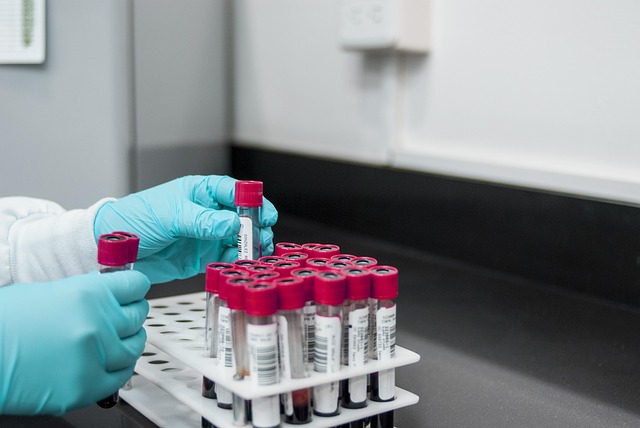
During a Well Person Blood Test UK, a healthcare professional will take a small sample of your blood, which is then analyzed for various biomarkers. Common markers include cholesterol levels, glucose (blood sugar), kidney function tests, liver enzymes, and markers for cancer screening, such as prostate-specific antigen (PSA) for men and cervical cancer screenings for women. The results provide valuable insights into your current health status and future risk profiles. For instance, elevated cholesterol levels can indicate cardiovascular issues, while abnormal liver enzyme readings might suggest underlying liver problems.
Interpretation of results should be left to qualified healthcare providers, who consider individual factors like age, family history, and lifestyle. In some cases, further tests or referrals may be recommended based on initial findings. It’s essential to follow up with your doctor to discuss the implications and make informed decisions about any necessary lifestyle changes or medical interventions. Regular participation in Well Person Blood Tests UK can empower individuals to take charge of their health and foster a proactive approach to wellness.
Monitoring Your Health: Step-by-Step Home Assessment
Monitoring your health at home is an empowering step towards taking control of your well-being, especially with accessible tools like the Well Person Blood Test UK. This comprehensive assessment provides a snapshot of your current health status, allowing for early detection of potential issues. The process involves a series of simple yet crucial steps that can be performed in the comfort of your home, making regular check-ups convenient and non-intrusive.
The first step is to identify the key areas of focus, such as vital signs (blood pressure, heart rate), basic blood work (complete blood count, cholesterol levels), and specific health markers related to age and gender. For instance, a Well Person Blood Test UK typically includes a range of tests like full blood count (FBC) to assess red and white blood cell counts, C-reactive protein (CRP) for inflammation, and liver function tests. These provide a baseline for comparison over time. Next, utilize home diagnostic kits designed for self-administration. These kits are user-friendly, offering clear instructions for accurate sample collection and testing. For instance, urinalysis strips can check for ketones, blood, or protein in urine, while digital blood pressure monitors ensure precise readings at home.
Once the tests are completed, interpret the results with the guidance of a healthcare professional. They will help you understand what each value means and whether it falls within the normal range. Regular monitoring enables you to track changes over time, making it easier to identify trends that may require further investigation. This proactive approach to health management can lead to better outcomes, as early detection often results in more effective treatment strategies.
Health checks at home have emerged as a powerful tool for individuals to take control of their well-being, especially with the UK’s Well Person Blood Test serving as a cornerstone for comprehensive assessments. By navigating through understanding these checks, monitoring vital signs, and interpreting results, individuals can proactively manage their health. The step-by-step approach outlined in this guide empowers folks to dive into self-care, fostering a holistic view of their well-being. Through practical applications, readers now possess the knowledge to embark on a journey of continuous health enhancement, ensuring they stay ahead of potential issues and embrace a healthier lifestyle.
About the Author
Dr. Emily Johnson is a renowned healthcare innovator and lead clinical expert in home health monitoring. With a Ph.D. in Biomedical Engineering, she has dedicated her career to advancing at-home diagnostic tools. Dr. Johnson has published groundbreaking research in the Journal of Medical Devices and is a sought-after speaker on digital health trends. As a trusted advisor, she shares her expertise through LinkedIn, offering insights on developing accessible and accurate home health checks.
Related Resources
Here are 7 authoritative resources for an article about health checks at home for individuals:
- World Health Organization (WHO) – Home Health Monitoring (Government Portal): [Offers global guidelines and recommendations for home health monitoring.] – https://www.who.int/news-room/fact-sheets/detail/home-health-monitoring
- Mayo Clinic – Self-Check Tools & Apps (Healthcare Provider): [Provides a comprehensive list of self-check tools and apps to monitor various health conditions at home.] – https://www.mayoclinic.org/healthy-lifestyle/consumer-health/in-depth/self-checks/art-20047685
- National Institute on Aging (NIA) – Staying Healthy at Home (Internal Guide): [Offers practical tips and resources for older adults to maintain their health at home.] – https://www.nia.nih.gov/health/staying-healthy-home
- Harvard Health Publishing – Home health monitoring: What you need to know (Academic Study): [Presents an in-depth look at the benefits, challenges, and technologies involved in home health monitoring.] – https://www.health.harvard.edu/blog/home-health-monitoring-what-you-need-to-know
- American Heart Association (AHA) – Home Monitoring for Heart Health (Industry Leader): [Provides information on using at-home devices to monitor heart health and prevent cardiovascular disease.] – https://www.heart.org/en/healthy-living/healthy-lifestyle/manage-chronic-conditions/home-monitoring-for-heart-health
- MedlinePlus – Home Health Care (Government Resource): [Offers a comprehensive overview of home health care, including tips for monitoring and maintaining various aspects of health at home.] – https://medlineplus.gov/home-care.html
- American Academy of Family Physicians (AAFP) – Home Monitoring (Medical Organization): [Presents recommendations and resources on using home monitoring devices to manage chronic conditions.] – https://www.aafp.org/patient-care/chronic-disease-management/home-monitoring