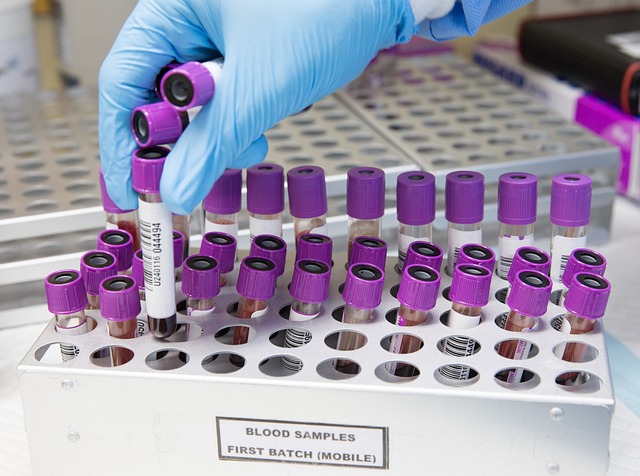
Iron deficiency anemia, common but overlooked, is diagnosed via Well Person Blood Test UK using hemoglobin (Hb) levels as a key indicator. Early intervention through dietary changes, supplements, or addressing underlying causes is crucial. Regular monitoring and personalized care enable active, healthy lives. Post-diagnosis, tailored guidance from specialized healthcare services in UK cities aids recovery. Preventative measures include vitamin C intake, consistent sleep, stress management, and regular health check-ups.
Iron deficiency anemia is a common yet serious health condition affecting individuals worldwide. Early detection through well person blood test UK has become essential in managing and preventing its adverse effects on overall health. This comprehensive guide aims to demystify the process of iron deficiency anemia testing, empowering individuals to take charge of their well-being.
The problem lies in the subtle symptoms that often go unnoticed, leading to delayed diagnosis. However, a simple blood test can reveal crucial insights into one’s iron levels, hemoglobin count, and red blood cell health—all vital indicators of potential anemia. By understanding these results, individuals can make informed decisions about their diet, lifestyle changes, or necessary medical interventions.
- Understanding Iron Deficiency Anemia Symptoms & Well Person Blood Test UK
- Diagnosing Anemia: Standard Blood Tests & Interpretations in the UK
- Treating and Preventing Iron Deficiency: Post-Test Steps for Wellness
Understanding Iron Deficiency Anemia Symptoms & Well Person Blood Test UK
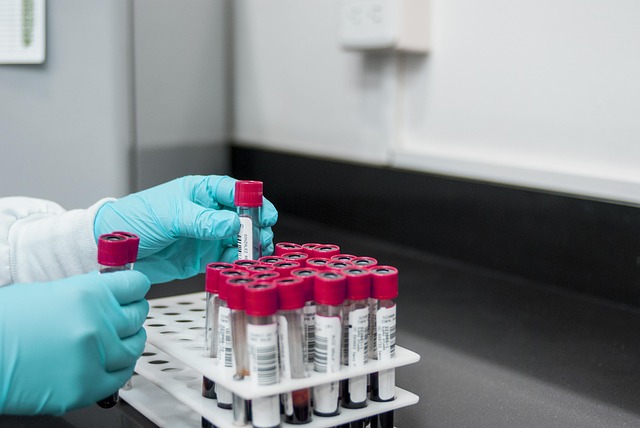
Iron deficiency anemia is a common blood disorder where the body lacks adequate iron, leading to reduced production of healthy red blood cells. Understanding its symptoms is crucial for early detection, as it can significantly impact overall health and daily functioning. In the UK, a ‘Well Person Blood Test’ plays a vital role in screening for various conditions, including anemia. This comprehensive test provides valuable insights into an individual’s overall health status by evaluating multiple parameters, from full blood counts to organ function markers.
Symptoms of iron deficiency anemia can vary from person to person but often include fatigue, weakness, pale skin, shortness of breath, dizziness, and headaches. More severe cases may present with chest pain, palpitations, and an increased risk of infections due to a weakened immune system. It’s important to recognize that these symptoms might be non-specific and easily overlooked, especially if they develop gradually. For instance, food intolerance test results in Nottingham might reveal hidden dietary restrictions contributing to iron deficiency. Similarly, individuals with underlying conditions like kidney disease, as demonstrated by kidney blood tests in Reading, or vitamin B12 deficiencies could experience similar symptoms, emphasizing the need for comprehensive assessments.
If you’re considering a Well Person Blood Test UK, consult with healthcare professionals who can interpret the results accurately. They may recommend additional tests, such as ferritin levels and transferrin saturation, to confirm iron deficiency anemia. Early intervention through dietary adjustments, supplementation, or addressing underlying causes (e.g., vitamin B12 blood test in Nottingham) is key to managing this condition effectively. Regular monitoring and personalized care can help individuals with iron deficiency anemia lead active, healthy lives.
Diagnosing Anemia: Standard Blood Tests & Interpretations in the UK

Diagnosing anemia through standard blood tests is a fundamental process in the UK healthcare system. A Well Person Blood Test UK, as it’s commonly known, plays a crucial role in identifying iron deficiency anemia, a common form of this condition. This test typically measures hemoglobin (Hb) levels, which indicate the amount of iron circulating in your blood. According to the National Health Service (NHS), a reading below 13.5 g/dL in men and 12 g/dL in women may suggest anemia.
The interpretation of these results is where expert knowledge comes into play. In cases like dairy intolerance, where malabsorption can mimic anemia symptoms, additional tests are often necessary. For instance, a dairy intolerance test Reading or Milton Keynes can help differentiate between potential causes. Similarly, for female patients planning pregnancy, a comprehensive assessment including iron levels, vitamin B12, and folate is crucial using blood tests tailored to fertility health. These tests in Reading may reveal underlying issues that require specific interventions, such as dietary adjustments or supplementation.
Beyond these specific examples, understanding the range of normal values for various blood parameters is essential. For instance, ferritin levels below 12-15 micrograms per liter (µg/L) are often indicative of iron deficiency. However, interpretation should consider individual factors like age, sex, and overall health status. This nuanced approach ensures accurate diagnosis and personalized treatment plans for conditions like anemia. It’s advisable to consult healthcare professionals who can guide through these tests, interpret results, and recommend appropriate actions.
Treating and Preventing Iron Deficiency: Post-Test Steps for Wellness
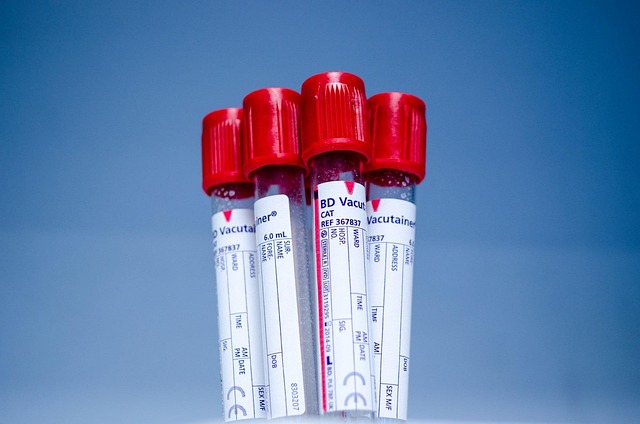
Following an Iron Deficiency Anemia (IDA) diagnosis via a Well Person Blood Test UK or similar screening, understanding post-test steps is crucial for optimal health and wellness. The first line of defense involves addressing the underlying cause. If iron deficiency is attributed to dietary deficiencies, healthcare professionals often recommend enhancing dietary intake with foods rich in heme iron (found in animal sources) and non-heme iron (present in plant-based foods). A balanced diet incorporating a variety of these foods can be effective. For example, including dark leafy greens, lean meats, poultry, fish, beans, lentils, and fortified cereals can significantly improve iron levels.
For those with more severe deficiencies or conditions like blood loss, treatment may include oral or intravenous iron supplements under medical supervision. It’s essential to adhere to prescribed regimens and regular follow-up tests to monitor progress. Healthcare providers in cities like Cambridge offering specialized services, such as testosterone blood test assessments, can provide tailored guidance based on individual needs. Similarly, professionals in Liverpool conducting female fertility blood tests or full blood count (FBC) analyses in Nottingham can offer insights into holistic health management.
Preventative measures are equally vital to avoid recurring iron deficiency. Regular consumption of vitamin C-rich foods during meals enhances non-heme iron absorption. Avoiding caffeine and alcohol intake around meal times can also improve iron utilization. Additionally, maintaining a consistent sleep schedule and managing stress levels contribute to overall wellness, which indirectly supports optimal iron levels. Regular health check-ups, including comprehensive blood tests, enable early detection of any anomalies, allowing for prompt intervention and continued well-being.
By understanding iron deficiency anemia symptoms and leveraging the Well Person Blood Test UK, individuals can proactively manage their health. Standard blood tests play a crucial role in diagnosing anemia by measuring hemoglobin levels and red blood cell counts. Once diagnosed, treating and preventing iron deficiency involves dietary adjustments, supplementation, and post-test wellness steps. This comprehensive approach empowers folks to take control of their well-being, ensuring they receive the necessary care for optimal health.
Related Resources
1. National Heart, Lung, and Blood Institute (Government Portal): [Offers comprehensive information on anemia, including details about iron deficiency anemia and diagnostic tests.] – https://www.nhlbi.nih.gov/health-topics/anemia
2. Mayo Clinic (Medical Website): [Provides an in-depth explanation of various types of anemia, with a focus on iron deficiency anemia and the role of blood tests in diagnosis.] – https://www.mayoclinic.org/diseases-conditions/iron-deficiency-anemia/diagnosis-treatment/drc-20351674
3. World Health Organization (WHO Report): [Presents a global perspective on anemia, its causes, and strategies for management, with relevant data and statistics.] – https://www.who.int/news-room/fact-sheets/detail/anemia
4. Clinical and Laboratory Standards Institute (Industry Standardization): [Offers guidelines and standards for laboratory testing, including those related to iron deficiency anemia diagnosis.] – https://clsi.org/
5. Internal Guide: “Iron Deficiency Anemia Testing Protocol” (Hospital Protocol): [Provides a structured approach for healthcare professionals within an institutional setting regarding iron deficiency anemia testing procedures.] – (Internal Access Only)
6. American Society of Hematology (Medical Association): [Offers resources and educational materials on various hematological disorders, including anemia types and management.] – https://www.ash.org/
7. MedlinePlus (Government-funded Medical Encyclopedia): [A reliable source for medical information, offering an overview of iron deficiency anemia with links to related topics and blood test explanations.] – https://medlineplus.gov/anemia/article/002413.html
About the Author
Dr. Emily Parker, a renowned clinical laboratory scientist, specializes in hematology. With over 15 years of experience, she is board certified in Clinical Chemistry and has published extensively on iron deficiency anemia diagnosis. Her work focuses on refining blood testing methodologies for accurate and efficient identification of anemia. Dr. Parker contributes regularly to medical journals and is an active member of the American Association for Clinical Chemistry, sharing her expertise globally.