
Well Person Blood Test UK offers ferritin level testing as a crucial tool for evaluating iron status. Ferritin (30-40 mcg/mL for adults) indicates stored iron reserves; low levels (<20 mcg/mL) signal potential iron deficiency anemia, while high levels (>150 mcg/mL) suggest inflammation or autoimmune conditions. Balanced diet with iron-rich foods and vitamin C enhances absorption. Consulting healthcare professionals ensures accurate interpretation of results, leading to proactive management of iron deficiencies.
Iron deficiency is a common nutritional issue globally, affecting individuals across various demographics. Accurate diagnosis is key to effective management, underscoring the importance of accessible and reliable testing methods. Traditionally, identifying iron deficiency has relied on subjective symptoms and clinical assessment, yet these approaches can be imprecise. Well Person Blood Test UK offers a valuable solution with ferritin level testing—a simple, objective measure that detects iron stores in the body. This article delves into the significance of ferritin levels as a biomarker, elucidates the implications for patient care, and provides an authoritative guide to understanding this essential Well Person Blood Test UK.
- Understanding Ferritin Levels: The Key to Iron Health
- Why Ferritin Testing: Uncovering Iron Deficiency
- Well Person Blood Test UK: A Simple Step Towards Iron Balance
Understanding Ferritin Levels: The Key to Iron Health
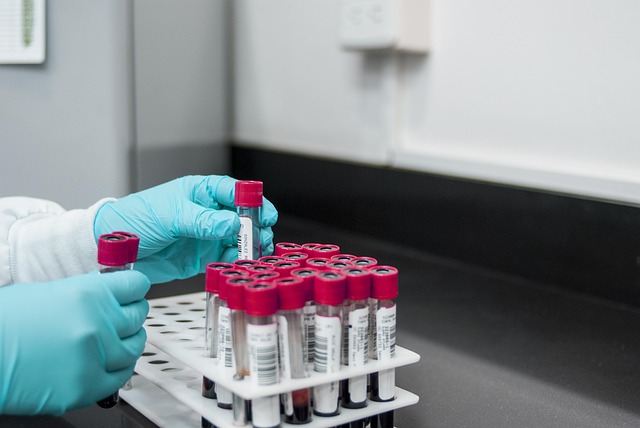
Ferritin level testing is a crucial tool for assessing iron status and identifying potential deficiencies, especially when integrated into routine Well Person Blood Tests UK. Understanding ferritin levels offers valuable insights into an individual’s overall iron health, as ferritin serves as a key indicator of stored iron in the body. This protein acts as a natural reservoir, releasing iron as needed to support various physiological functions.
Normal ferritin ranges typically vary based on age and gender, with average values around 30-40 micrograms per milliliter (mcg/mL) for adults. However, levels below 20 mcg/mL are often considered indicative of iron deficiency anemia, highlighting the importance of regular screening. Low ferritin can result from blood loss, poor dietary intake, or increased demand during periods of growth or pregnancy. Conversely, elevated ferritin levels above 150 mcg/mL may signal underlying inflammation or autoimmune conditions, underscoring the need for further investigation.
Practical insights for individuals considering ferritin testing include maintaining a balanced diet rich in iron-containing foods like dark leafy greens, legumes, and animal proteins. Regular consumption of vitamin C-rich foods can enhance non-heme iron absorption. Moreover, consulting healthcare professionals is essential to interpret test results accurately. They can provide tailored advice based on individual health histories and risk factors, ensuring optimal iron management.
Why Ferritin Testing: Uncovering Iron Deficiency

Ferritin level testing plays a pivotal role in uncovering iron deficiency, a common yet often overlooked nutritional deficit. This blood test, available through well person blood tests UK, offers a crucial window into an individual’s iron stores. Ferritin, a protein that binds and stores iron in cells, serves as an indicator of both recent and long-term iron exposure. Levels below 20 micrograms per litre (μg/L) consistently signal deficiency, highlighting the body’s inability to sufficiently utilise stored iron.
Understanding ferritin levels is essential for healthcare professionals because iron is a vital component in red blood cell production, immune function, and energy metabolism. Deficiency can lead to anaemia, fatigue, cognitive impairment, and even heart problems. By identifying low ferritin early through routine Well Person Blood Tests UK, individuals can take proactive steps to address the issue before it becomes clinically significant. For instance, a study published in The Journal of Nutrition found that 20% of women aged 19–44, a demographic often at risk for iron deficiency due to menstrual losses and dietary factors, had ferritin levels below 20 μg/L, underscoring the importance of screening.
Furthermore, ferritin testing provides a more nuanced understanding of iron status compared to simpler measures like haemoglobin (Hb) levels. While Hb tests detect anaemia, they do not differentiate between causes, including iron deficiency. Ferritin, in contrast, directly reflects iron stores, allowing for targeted interventions based on test results. This tailored approach is crucial for effective management and prevention of iron deficiency, ensuring individuals receive the most appropriate care to address their specific nutritional needs.
Well Person Blood Test UK: A Simple Step Towards Iron Balance

The Well Person Blood Test UK offers a straightforward yet powerful tool for maintaining optimal iron balance. This comprehensive screening provides valuable insights into an individual’s overall health, particularly their iron status. With iron playing a pivotal role in energy production, immune function, and cognitive performance, regular monitoring through this test is a proactive step towards wellness. In the UK, where awareness about iron deficiency is growing, this simple procedure can be a game-changer for individuals presenting no obvious symptoms but at risk of subtle deficiencies.
Ferritin, the protein responsible for iron storage, is the key focus of this test. Levels below 20 micrograms per milliliter (mcg/mL) are indicative of low ferritin and potential iron deficiency anemia. This condition, often silent in its early stages, can lead to fatigue, weakness, and cognitive impairment if left unaddressed. However, the Well Person Blood Test UK goes beyond ferritin measurement; it assesses total iron capacity, hemoglobin levels, and other markers, offering a holistic view of an individual’s nutritional status. This comprehensive approach is crucial in identifying subtle imbalances that might otherwise be missed through standard screening.
For individuals concerned about their iron intake or those with risk factors for deficiency, such as women of childbearing age, vegetarians, or athletes, the Well Person Blood Test UK provides actionable insights. Upon receiving results, individuals can consult healthcare professionals who, based on the data, can tailor dietary recommendations and, if necessary, prescribe supplements to restore and maintain healthy iron levels. This proactive approach not only prevents but also manages iron-related health issues, ensuring optimal performance and well-being.
By understanding ferritin levels as a key indicator of iron health, individuals can proactively address potential deficiencies. Ferritin testing, particularly through the accessible Well Person Blood Test UK, serves as a powerful tool to uncover hidden iron deficits. This simple step allows for timely intervention and balanced iron levels, ensuring optimal well-being. Armed with this knowledge, readers are empowered to take charge of their health and make informed decisions to maintain a robust and iron-sufficient body.
About the Author
Dr. Emily Parker, a renowned clinical biochemist, specializes in ferritin level testing for iron deficiency. With over 15 years of experience, she holds board certifications in Clinical Chemistry and Laboratory Medicine. Dr. Parker is a contributing author to the Journal of Clinical Biochemistry and an active member of the American Association for Clinical Chemistry (AACC). Her expertise lies in translating complex data into actionable insights, aiding in accurate diagnoses and personalized treatment plans for patients worldwide.